





















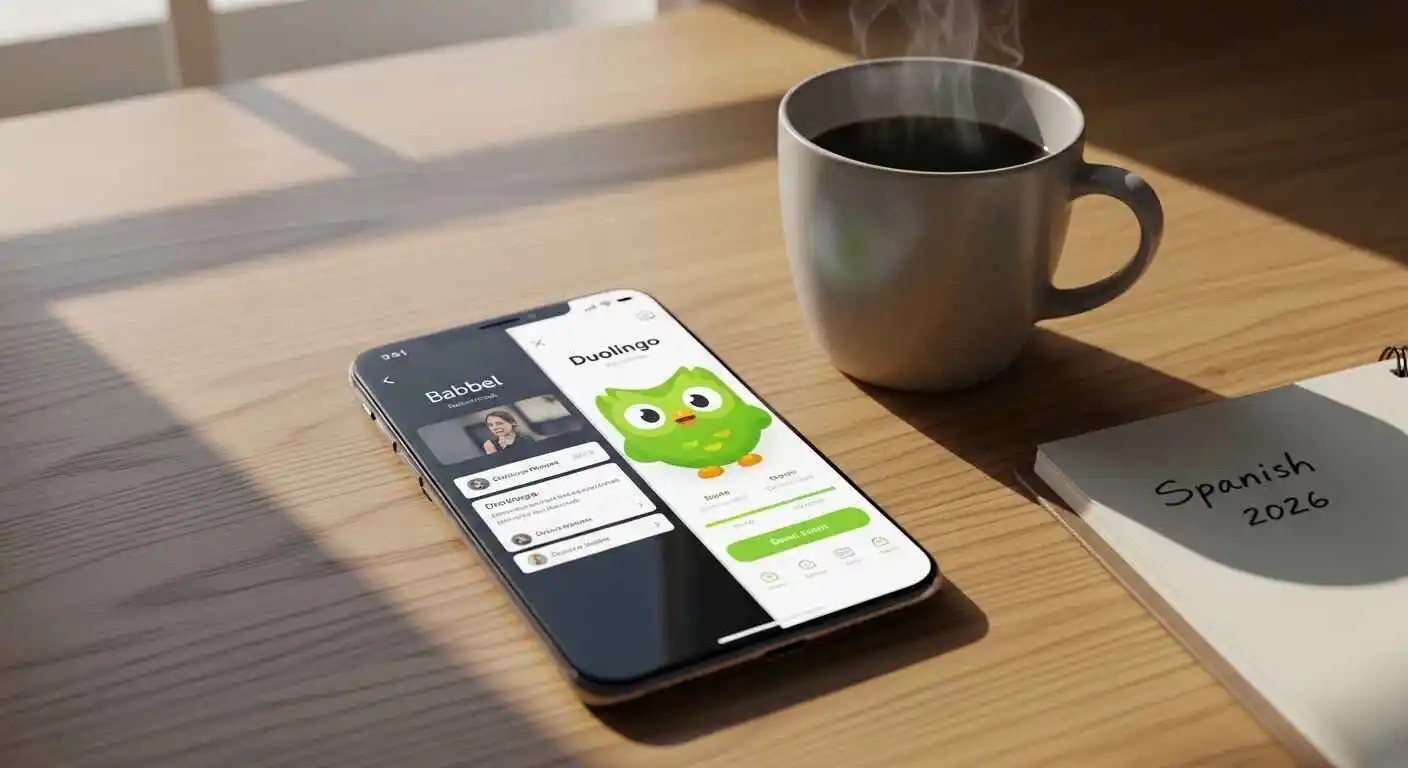
I’ve tested countless language apps—seriously, I’ve spent hundreds of dollars trying to learn Spanish, and most of them just didn’t work. Frustrated, I decided to focus on the two apps everyone talks about: Babbel and Duolingo.
To really see which one delivers, I committed to using each app daily for 30 days, learning the same language on both. I tracked my progress carefully, noting not just how much I learned, but how engaging and practical the lessons felt.
After this intensive trial, I finally have a clear picture of which app actually helps you speak a new language effectively—and which one might just waste your time.
Quick Answer: Which One Should You Pick?
Pick Duolingo if:
- You need to understand for free
- You like games & fun challenges
- You have 6-10 minutes each day
- You’re just starting out
Pick Babbel if:
- You want to really learn the grammar
- You can spend $8-15 per month
- You need real conversation skills
- You’re serious about learning
Now let me explain why.
What Is Duolingo?
Duolingo is an app that is free and turns learning into a game. You swap points, build streaks, and compete against friends.
It has over 40 languages. That’s way more than Babbel.
How Duolingo Works
Each lesson runs about 5 minutes. You pair words, fill in blanks, and say short phrases. It’s simple and fast.
The app is totally free. But there are ads. And you only get your 5 “hearts” (mistakes) a day. Run out of hearts? You have to wait or pay.
Duolingo Pricing (2026)
- Freemium: This version is totally free – but it does contain advertising and hearts
- Super Duolingo: $5 to $13 per month (no ads, unlimited hearts)
- Duolingo Max: $29.99 a month (AI tutor feature)
What I Liked About Duolingo
- It’s free. You don’t have to pay anything
- It’s fun. The games make you want to come back
- Easy to use. Anyone can start learning right away
- 40+ languages. Want to learn Korean? Hawaiian? They have it
- Build habits. The streak system keeps you going
What I Didn’t Like About Duolingo
- Weird sentences. I learned “The bed is food.” When would I ever say that?
- Not enough grammar. You learn by guessing, not by understanding rules
- Hearts are annoying. Make 5 mistakes, and you’re done for hours
- Ads interrupt learning. Every few lessons, an ad pops up
- Can’t have real conversations. It teaches you words, not how to talk
What Is Babbel?
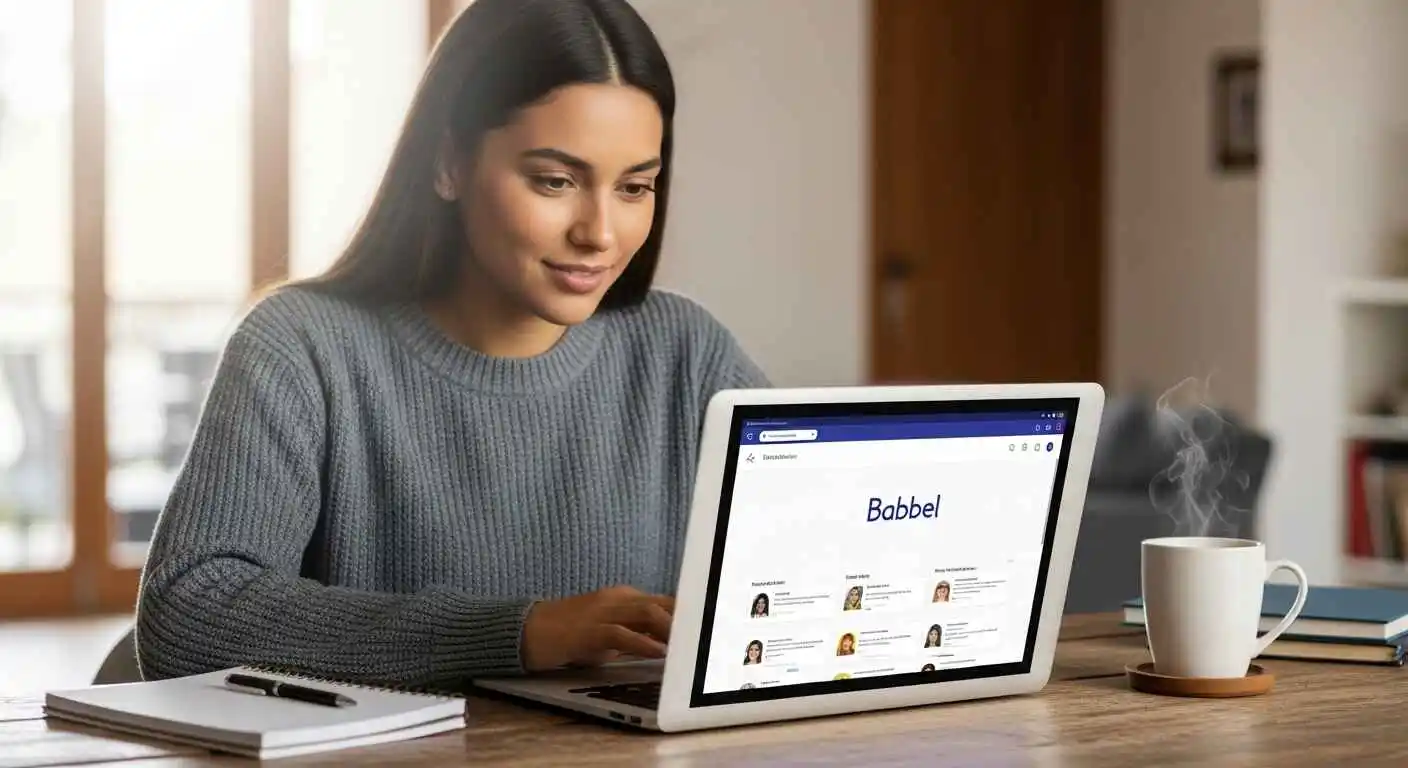
Babbel costs money. But it teaches you like a real class would.
It has 14 languages. Not as many as Duolingo. But the quality is better.
How Babbel Works
Lessons are 10-15 minutes long. They teach you grammar rules. They show you how sentences work. They use real-life conversations.
Everything is made by language teachers. Not just computer programs.
Babbel Pricing (2026)
- 3 Months: $44.85 ($14.95 per month)
- 6 Months: $59.70 ($9.95 per month)
- 12 Months: $95.40 ($7.95 per month) ← Best deal
- Lifetime: About $299 for all languages
Tip: Babbel has big sales on Black Friday and New Year’s. Wait for those!
What I Liked About Babbel
- Great grammar teaching: You understand why things work
- Real sentences: You learn stuff you’ll actually use
- No ads: Nothing interrupts your learning
- Works offline: Learn on the plane or subway
- Clear path forward: You know exactly what to learn next
- Native speakers: You hear real accents and pronunciation
What I Didn’t Like About Babbel
- No free version: You only get one free lesson to try
- It costs money: At least $8 per month
- Only 14 languages: No Japanese, Korean, or Chinese
- Less fun: It’s more like homework than a game
- Won’t make you fluent alone. You still need to practice talking with real people
Babbel vs Duolingo: Side-by-Side
Let me compare them directly:
| Feature | Babbel | Duolingo |
| Price | $8-15/month | Free (or $5-13/month) |
| Free Version | Only 1 lesson | Yes, full access |
| Languages | 14 | 40+ |
| Lesson Time | 10-15 minutes | 5-10 minutes |
| Lesson Time | 10-15 minutes | 5-10 minutes |
| Grammar | Excellent | Okay |
| Speaking Practice | Good | Limited |
| Fun Factor | Not very fun | Very fun |
| Best For | Serious learners | Casual practice |
| Ads | None | Yes |
My 30-Day Test: What Actually Happened
I tested both apps for Spanish. Every day for 30 days. Here’s what happened:
Week 1: Getting Started
Duolingo was fun right away. I earned badges. I built a 7-day streak. I felt like I was making progress fast.
Babbel felt harder. The lessons were longer. But I understood grammar rules for the first time.
Week 2-3: Building Skills
Duolingo started to feel repetitive. I was seeing the same sentences over and over. But I liked the daily routine.
Babbel started teaching me real conversation. I could order food. I could ask for directions. These were useful phrases.
Week 4: The Test
I tried to have a basic conversation in Spanish with a friend.
Duolingo gave me lots of vocabulary. But I couldn’t put sentences together correctly.
Babbel helped me understand how to build sentences. I could actually talk a little bit.
The Winner?
For me personally: Babbel.
But that’s because I wanted to really learn. If I just wanted a fun daily habit, Duolingo would win.
Which App Teaches Grammar Better?
Winner: Babbel (by a lot)
Here’s the difference:
Duolingo makes you guess grammar rules. You see examples and figure it out yourself. Sometimes this works. Often it doesn’t.
Babbel explains grammar rules clearly. Why do you say “el” vs “la”? Babbel tells you. When do you use different verb forms? Babbel explains.
After 30 days, I understood Spanish grammar with Babbel. With Duolingo, I was still confused.
Which App Is Better for Speaking?
Winner: Babbel (but neither is great)
Both apps have speaking exercises. But here’s the truth: apps can’t replace talking to real people.
Duolingo has you repeat short phrases. The app accepts almost anything you say. It’s not very strict.
Babbel has longer conversations. It shows you what it heard you say. It’s more helpful.
But you know what’s best? Talking to an actual person. Use apps to learn. Then practice with real people.
Which App Is More Fun?
Winner: Duolingo (no contest)
Duolingo is way more fun. You get points (XP). You unlock achievements. You compete on leaderboards. You build streaks.
It feels like a game. That’s great for motivation, much like how gamification helps beginners stay engaged with project management tools.
Babbel is more serious. You track your progress. You complete lessons. But there are no games or prizes.
If you need fun to stay motivated, pick Duolingo.
Can You Really Become Fluent?
Honest answer: No. Not with either app alone.
I know that’s not what you want to hear. But it’s the truth.
Both apps teach you vocabulary and basic grammar. That’s a great start. But fluency needs:
- Real conversations with native speakers
- Listening to movies, podcasts, and music
- Reading books and articles
- Living in the language every day
Apps are tools. They help you start. But they’re not magic.
Use Babbel or Duolingo for 3-6 months. Then add:
- iTalki tutors ($5-20 per hour)
- Language exchange apps (free)
- Spanish movies with subtitles
- Conversation practice groups
If you’re building language learning into your career development strategy, consider how becoming a freelance writer can benefit from multilingual skills—many clients pay premium rates for writers who can work in multiple languages.
Which Languages Should You Learn on Each App?
Best on Babbel: Spanish, French, German, Italian
Best on Duolingo: Spanish, French, Japanese, Korean, and less common languages like Welsh or Hawaiian
How Much Does Each App Really Cost?
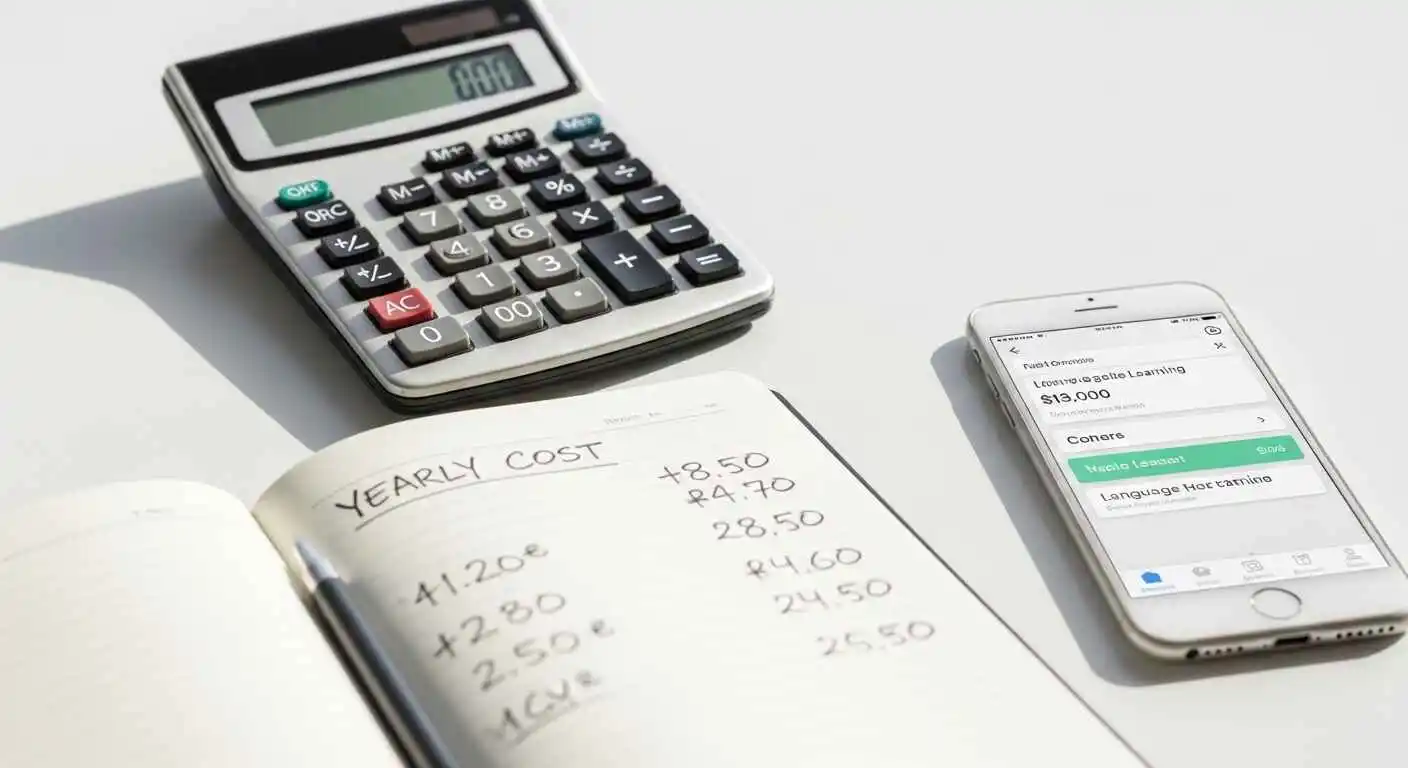 Let’s do the math for one year:
Duolingo:
- Free: $0 per year (but you get ads and hearts)
- Super: $60 per year
- Max: $168 per year (AI features)
Babbel:
- Best deal: $95.40 per year
- Without sale: $180 per year
My tip: Use Duolingo for free first. If you stick with it for 30 days, then buy the Babbel annual on sale.
What Other Apps Should You Consider?
Neither Babbel nor Duolingo is perfect. Here are alternatives:
- Pimsleur: All audio, focus on speaking ($15/month)
- iTalki: Real tutors, one-on-one ($5-20 per lesson)
- Busuu: Like Babbel, but has a free version
- HelloTalk: Chat with native speakers for free
Similar to comparing Coursera vs Udemy for online learning, choosing the right language app depends on your learning style, budget, and goals.
My Final Recommendation
 After 30 days of testing both apps, here’s what I suggest:
If You’re a Complete Beginner:
Start with Duolingo free for 30 days. See if you like learning languages. Build a daily habit. Have fun.
If You’re Serious About Learning:
Buy Babbel ($8/month on sale). Use it 3-4 times per week. Add conversation practice with a tutor once a week.
If You’re On a Budget:
Use Duolingo for free as your main app. Add free resources like HelloTalk for conversation practice.
If You Want the Best Results:
Use both together:
- Babbel 3x per week (Monday, Wednesday, Friday) for structured learning
- Duolingo daily for vocabulary practice and fun
- iTalki tutor 1x per week for conversation
This costs about $20/month total. But you’ll learn way faster.
Common Questions
Q: Is Duolingo really free forever?
Yes! The free version works completely. You just have ads and hearts.
Q: Is Babbel worth paying for?
If you’re serious, yes. If you’re just trying, start with Duolingo free.
Q: Which app is better for kids?
Duolingo. It’s more fun and game-like.
Q: Can I use both apps offline?
Babbel: Yes, with paid plans. Duolingo: Only with Super or Max.
What Real Users Say
I looked at hundreds of reviews on Trustpilot and Reddit’s language learning communities. Here’s what people say:
About Duolingo:
- “Got me started when I was scared to try”
- “Can’t have a real conversation after 1 year”
- “The heart system is really annoying”
About Babbel:
- “Finally understand Spanish grammar”
- “I wish it was free like Duolingo”
- “Conversations feel natural and useful”
Ready to Start?
Step 1: Start with a free trial of Duolingo
Step 2: If you like it, continue for 30 days
Step 3: Try it out for 30 days if you’re really serious about picking up a new language
Step 4: If Yes, Get Babbel While It’s On Sale. If not, continue learning for free with Duolingo
Step 5: After 3 months, mix in conversation practice with a tutor or language partner
Whether you’re learning a language for travel, career advancement, or starting a blog in multiple languages for monetization, consistent daily practice matters more than which app you choose.
The Bottom Line
Both apps are great for different individuals.
Duolingo is perfect for free, fun learning. Great for starting. Build good habits. Won’t make you fluent alone.
Babbel is perfect if you’re serious. You’ll understand grammar and learn useful phrases. Costs money, but worth it.
Try Duolingo free for 30 days. If you stick with it, invest in Babbel. Either way, apps are just the start. Talk with real people to really learn.
Just as using ChatGPT can help write better emails in your target language, combining AI tools with traditional apps accelerates your learning journey.
Download one today and start learning!