



































Putting the wrong fuel in your car is one of the most common mistakes on UK forecourts, with around 150,000 drivers doing it every year. That sinking feeling at the pump is stressful, but the good news is that help is close at hand. Fast, professional wrong fuel recovery can drain the contaminated fuel, flush your system, and get you safely back on the road, often within an hour. This guide walks you through exactly what to do, what it costs, and how to avoid the mistake in future.
What Is Misfuelling?
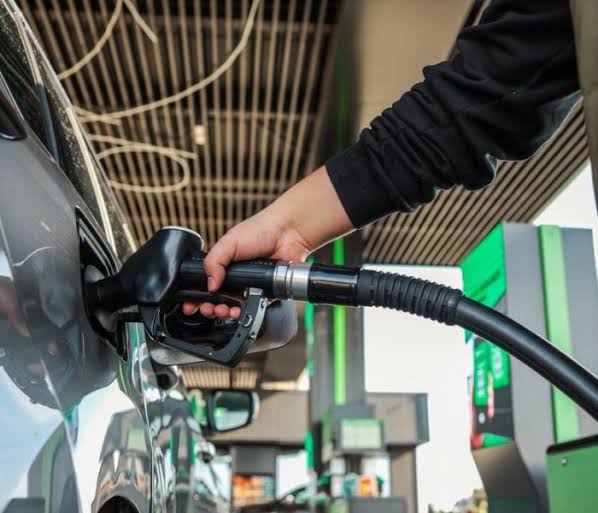
Misfuelling simply means accidentally putting the wrong type of fuel in your vehicle at the petrol station. In most cases, it’s petrol going into a diesel car, though diesel in a petrol car and AdBlue in the fuel tank also happen more often than you’d think.
The mix-up is easy to make. A moment of distraction, a hire car you’re not used to, or switching from petrol to diesel can all lead to grabbing the wrong nozzle. It happens to careful, experienced drivers every day, so there’s no need to feel embarrassed. What matters most is how quickly and correctly you respond.
Immediate Steps After Misfuelling: Do NOT Start the Engine
The single most important rule is this: do not turn the key. Starting the engine, or even switching on the ignition, activates the fuel pump and circulates the contaminated fuel through your entire system. That’s when a simple, affordable fix can turn into a major repair.
Follow these steps calmly:
- Do not start the engine or turn on the electrics.
- Remove the key from the ignition.
- Tell the petrol station staff so they can help keep the area safe.
- Put the car in neutral and, with help, push it to a safe parking spot away from the pumps.
- Call a misfuel specialist to arrange a fuel drain.
Acting quickly keeps the problem contained in the tank, where it’s cheapest and easiest to resolve.
Petrol in a Diesel Car: Symptoms and Damage
This is by far the most common and most damaging misfuel. The smaller unleaded nozzle slides easily into the wider diesel filler neck, so there’s no physical warning.
The real trouble is lubrication. Diesel is oily and protects the high-pressure fuel pump and injectors. Petrol acts like a solvent, stripping that protection away and letting metal parts grind together.
If the engine has been started, watch for these petrol-in-diesel symptoms:
- Loud knocking noise under acceleration
- Poor or slow acceleration
- Excessive exhaust smoke
- Engine warning light
- Difficulty restarting or engine failure
Caught early with the engine off, a fuel drain solves it. Drive on it, though, and repairs to the fuel pump and injectors can run into thousands.
Diesel in a Petrol Car
Putting diesel in a petrol car is less common, mainly because the chunky diesel nozzle usually won’t fit a modern petrol filler neck. It still happens, especially with older cars or a wrongly filled fuel can.
Diesel is thick and won’t ignite properly in a petrol engine, so it clogs the system rather than grinding parts down. Typical symptoms include:
- Engine misfiring
- Excessive smoke
- Lack of power
- The engine cutting out and refusing to restart
The damage is usually less severe than petrol in a diesel, and a full drain and flush normally sorts it out. You may need new spark plugs if the engine was run.
AdBlue Contamination in the Diesel Tank
AdBlue is a modern and surprisingly destructive mix-up. It’s easy to do because the AdBlue cap often sits right next to the diesel one.
AdBlue isn’t fuel at all. It’s a urea-and-water solution that forms hard crystals when it dries. Poured into your fuel tank, it can crystallise and corrode sensitive components throughout the fuel system. The car may run briefly before performance drops sharply and the engine cuts out. If the fuel circulates, the pump, lines, filters, and injectors often need replacing, making this one of the most expensive misfuels to fix. A specialist drain and thorough clean is essential.
How a Fuel Drain and Flush Works
A fuel drain and flush is a specialist procedure carried out by a trained technician who comes directly to you. They safely drain the contaminated fuel from your tank, flush the entire fuel system to remove any residue, then add clean fuel to get you going.
These technicians are fully accredited, often holding a Safety Pass Alliance (SPA) passport that allows them to work safely on petrol forecourts. Never try to drain the tank yourself, as fuel is hazardous and you could injure yourself or others. The contaminated fuel is collected in secure containers and taken to a licensed facility for safe disposal.
The Cost of Wrong Fuel Recovery
The cost of wrong fuel recovery depends almost entirely on one thing: whether the engine was started. Here’s a clear breakdown of typical UK prices.
| Misfuel Scenario | Engine NOT Started | Engine HAS Been Started |
| Petrol in a Diesel Car | £250 – £350 | £1,500 – £5,000+ |
| Diesel in a Petrol Car | £250 – £350 | £400 – £2,000 |
| AdBlue in a Fuel Tank | £300 – £450 | £1,000 – £4,000 |
A simple roadside drain typically costs £250–£400. But if you turn the key, repairs can spiral toward £5,000 for serious fuel-system damage. Catching the mistake early saves you money, stress, and days off the road.
Mobile Specialist vs Breakdown Cover vs Garage
You have a few options when choosing who to call, and the difference comes down to specialisation.
- Mobile misfuel specialist: Comes to you with the right equipment, drains and flushes on the spot, and usually costs £250–£400 with a 30–90 minute response. Fastest and most affordable.
- Standard breakdown cover: Providers like the AA or RAC are great for flat tyres and dead batteries, but many patrol vans aren’t equipped for a full fuel drain, so you may face a wait or a tow.
- Main dealer or garage: Skilled, but misfuelling isn’t their daily work. Expect a towing fee, higher labour costs, and possibly days without your car.
For most drivers, a dedicated mobile specialist is the clear winner on both speed and cost.
Insurance and No Claims Bonus Implications
Most fully comprehensive policies treat misfuelling as accidental damage, so in theory you’re covered. In practice, claiming isn’t always the smart move.
Make a claim and you’ll usually pay your excess (often £250–£500) and lose part or all of your No Claims Bonus. That lost bonus can push your premium up by £100–£300 a year for several years.
Since a simple specialist drain can cost as little as £250 as a one-off payment, paying directly often works out cheaper than claiming. Always weigh the one-off repair against the long-term cost to your premium before contacting your insurer. (96 words)
How to Prevent Misfuelling
A little care at the pump goes a long way:
- Double-check the pump label before you lift the nozzle.
- Fit a misfuel prevention device to your filler neck.
- Take extra care with hire cars or unfamiliar vehicles.
- Add a fuel-type reminder sticker near the fuel cap.
- Slow down and stay focused, especially when tired or rushing.
These small habits make it far less likely you’ll ever grab the wrong nozzle again.
Frequently Asked Questions
What should I do if I put the wrong fuel in my car?
Do not start the engine. Remove the key, tell the station staff, push the car to a safe spot in neutral, and call a misfuel specialist to arrange a fuel drain.
How much does a fuel drain cost?
A standard roadside fuel drain typically costs £250–£400. If the engine was started and components are damaged, repairs can rise to £1,500–£5,000 or more.
Will insurance cover misfuelling?
Most comprehensive policies cover it as accidental damage, but claiming may cost you your excess and No Claims Bonus. Paying a specialist directly is often cheaper.
Can I drive after putting petrol in a diesel?
No. Driving circulates petrol through the system, stripping lubrication and risking expensive damage to the pump and injectors. Leave the engine off and call for help.
How long does a fuel drain take?
From the technician’s arrival, draining, flushing, and refuelling usually takes just 30–60 minutes, getting you back on the road quickly.
Conclusion
Misfuelling feels like a disaster, but it’s a very fixable problem when you act quickly and calmly. The golden rule is simple: don’t start the engine. Keep the wrong fuel contained in the tank, call a professional, and you’ll likely be back on the road within the hour for a modest, predictable cost. Fast, reliable wrong fuel recovery turns a stressful forecourt moment into a minor hiccup, protecting both your engine and your wallet. Save a trusted specialist’s number now, so you’re ready if it ever happens to you. (87 words)