
































Introduction
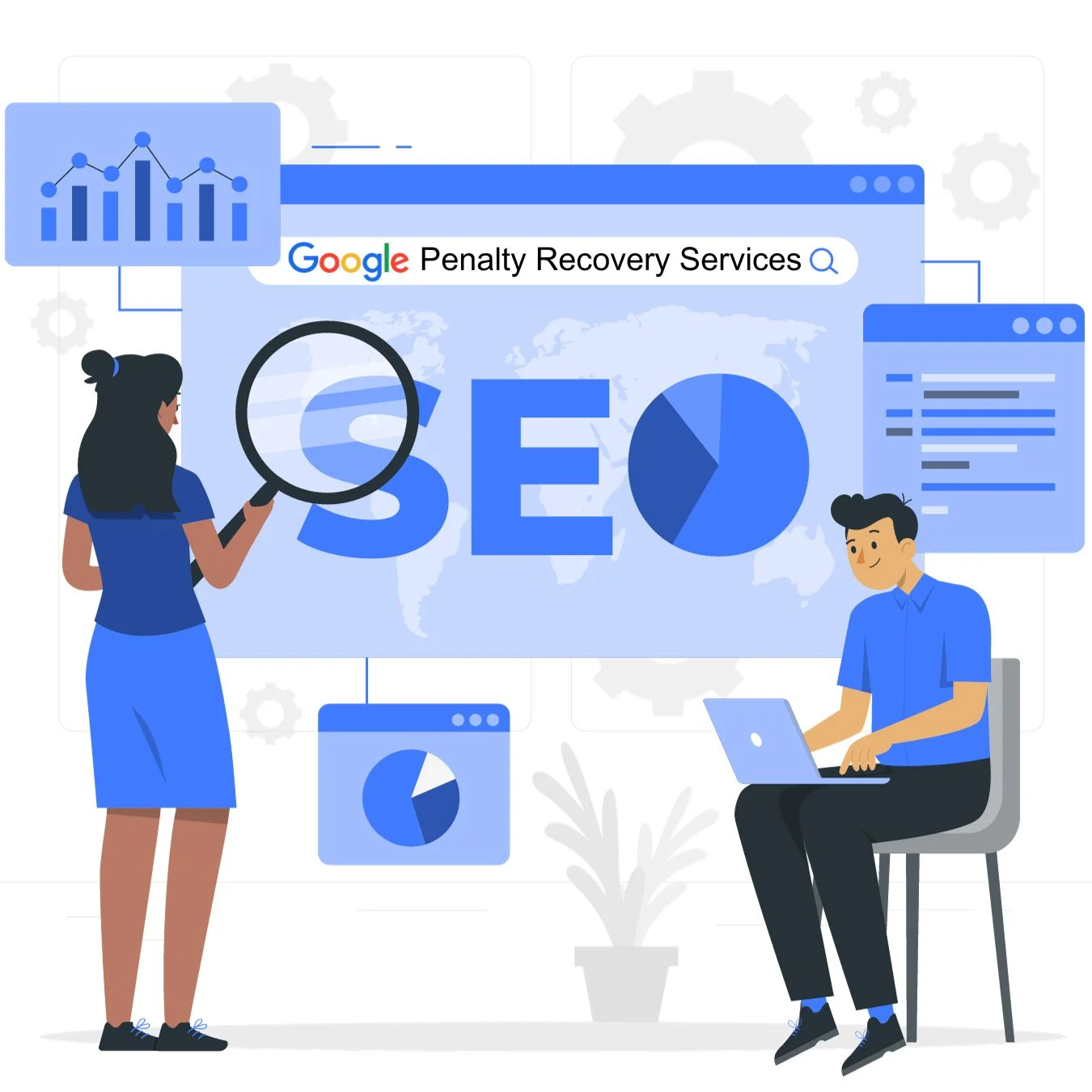
A sudden drop in rankings can feel like the ground falling out from under your business. One week your pages sit at the top of Google, the next your organic traffic loss is impossible to ignore. Whether it stems from a Google algorithm update, a manual action, or a botched site migration, the fix starts with knowing exactly what went wrong. A professional seo recovery service diagnoses the cause of your SERP decline before touching a single line of code, then builds a documented plan to earn back your search visibility. This guide walks you through how recovery works, what it covers, and how long rank restoration realistically takes.
What Is SEO Recovery and Why It Matters
SEO recovery is the structured process of identifying why a website lost rankings and reversing that decline. Not every traffic dip is a Google penalty. A manual action, an algorithmic penalty, a migration issue, and a damaged backlink profile each demand different work, so guessing wastes months.
Recovery begins with a forensic site audit across Google Search Console, analytics, crawl data, and backlink reports. The goal is simple: name what changed, prove why it matters, and prioritize fixes that actually move rankings.
This matters because organic search often drives the majority of qualified leads and revenue. When indexation issues, thin content, or toxic links pull you down, every day buried in the results costs sales. A disciplined approach separates real problems from noise and protects you from “solutions” that create motion without recovery impact. That distinction is the foundation of every credible recovery engagement.
Common Causes of a Ranking Drop
Before you can restore rankings, you have to understand what triggered the fall. The top causes cluster into a few clear buckets.
- Algorithmic penalty: A Google algorithm update, such as a core update, reassesses content quality and links. Penguin recovery targets manipulative link patterns, while Panda recovery addresses low-value pages.
- Manual action: A human reviewer at Google flags a spam-policy violation, visible in the Manual actions report inside Google Search Console.
- Toxic links: A backlink profile built on paid, spammy, or network links raises your spam score and invites trouble.
- Thin content and duplicate content: Scaled AI pages, doorway location pages, and weak category pages dilute quality.
- Technical SEO faults: Crawl errors, indexation issues, redirect issues, and failing Core Web Vitals can mimic a penalty.
- Black hat SEO tactics: Keyword stuffing, hidden links, and cloaking eventually catch up with a site.
- Site migration mistakes: Missing redirects and lost content after a redesign strip away hard-won domain authority.
Pinpointing the trigger is half the battle won.
How a Professional SEO Recovery Service Diagnoses the Problem
A reliable seo recovery service never prescribes fixes before proving the cause. Diagnosis is a forensic exercise, not a guess.
The team maps your ranking drop against confirmed Google algorithm update dates, deployment logs, and migration timelines. They pull Google Search Console messages to check for a manual action, then compare affected URLs by template, query group, and page type. A full site audit reviews content quality, internal links, and page experience signals side by side.
At the same time, a backlink audit evaluates source quality, anchor text distribution, link velocity, and sitewide placements to surface toxic links. Technical review covers crawl errors, canonical conflicts, and indexation issues.
Only after this evidence lines up does the specialist decide whether you face an algorithmic penalty, a manual action, a technical fault, or a migration problem. That clarity prevents wasted effort and sets a realistic path to rank restoration.
Core Elements of Google Penalty Recovery
Google penalty recovery is rarely a single task. It is a coordinated set of workstreams tailored to what actually hurt your site.
Backlink Audit and Link Cleanup
A thorough backlink audit identifies harmful patterns first. Specialists attempt real removals or nofollow tags where possible, then reserve the disavow file for links that cannot be removed. Careful link pruning lowers your spam score without stripping the anchor text and equity that still helps you. A disavow file is a last resort, never a standalone strategy.
Content Quality and E-E-A-T Repair
Thin content and duplicate content get replaced, not padded. Pages are rebuilt around search intent, originality, and author expertise so they reinforce E-E-A-T: Experience, Expertise, Authoritativeness, and Trustworthiness. Strong internal links and accurate, source-backed copy give both searchers and Google a reason to trust the page again.
Technical SEO and Indexation Fixes
Technical repair resolves crawl errors, redirect issues, canonical conflicts, and failing Core Web Vitals. Fixing indexation issues restores lost pages, while cleaner page experience signals help Google reassess your site. After a site migration, this often means rebuilding redirect maps and recovering stranded content.
The Recovery Process Step by Step
Most credible recovery engagements follow a repeatable sequence.
- Diagnostics: Confirm the cause using Google Search Console, analytics, and a full site audit.
- Cleanup: Prune toxic links, remove or rewrite low-value pages, and fix technical faults.
- Documentation: Record every removal, rewrite, disavow file decision, and technical release.
- Reconsideration request: For a manual action, submit a reconsideration request that names the issue, describes the fixes, and shows the outcome.
- Rebuilding: Strengthen content, earn white hat recovery links, and improve architecture.
- Monitoring: Track rankings, clicks, impressions, and conversions as search visibility returns.
For an algorithmic penalty there is no reconsideration button. Instead, you improve the pages, links, and signals that Google’s systems reassess over time, then wait for the next crawl or Google algorithm update to reward the cleaner site.
How to Choose the Right Recovery Partner
The right partner diagnoses, implements, documents, and follows through in one place. Watch for these signals of quality.
- Evidence first: They prove the cause before recommending fixes, not the other way around.
- No guarantees: No honest provider promises a fixed recovery date or guaranteed rankings, because Google controls timing and third-party sites are beyond anyone’s control.
- Transparent reporting: You see a remediation log, release notes, and recovery signals, not just a rankings chart.
- In-house expertise: Technical SEO, content, and link specialists collaborate, since one issue often exposes another.
- White hat recovery only: Sustainable methods replace black hat SEO shortcuts like keyword stuffing.
- Post-recovery planning: The engagement continues after traffic stabilizes to protect and grow your domain authority.
Avoid any provider that leans on a broad disavow file or surface-level edits as its main deliverable.
Frequently Asked Questions
How do I know if I have a Google penalty?
Check the Manual actions report in Google Search Console first. If a manual action exists, Google names the issue type and the affected URL patterns. If there is no notice, your ranking drop is likely algorithmic, technical, content-related, or tied to a site migration. Match the timing of your organic traffic loss against known Google algorithm update dates to narrow it down.
How long does Google penalty recovery take?
Timelines vary with the cause, site size, and how fast you implement fixes. Google says reconsideration reviews can take several days to a few weeks, and link-related reviews sometimes take longer. Algorithmic recovery usually takes longer still, because there is no manual review to trigger. Realistically, expect a few weeks to several months for full rank restoration.
What is the difference between a manual action and an algorithmic penalty?
A manual action is a named, human-reviewed spam violation shown in Google Search Console, cleared through a reconsideration request. An algorithmic penalty happens silently through an algorithm update and requires broader work across content quality, links, technical SEO, and search intent, with no manual review to request.
Do disavow files still matter?
Yes, but only when a genuine unnatural link risk exists. Google recommends reviewing links, attempting removals or nofollow first, and using the disavow file only for links you cannot remove. It is never a complete recovery plan on its own.
Can a site fully recover after a major algorithm update?
In most cases, yes. If you systematically fix the reasons Google flagged your site, you can regain lost rankings and often build a more stable foundation than before.
Conclusion
Losing rankings is stressful, but a decline is rarely permanent when you approach it methodically. The path back always starts with an honest diagnosis, whether the culprit is a manual action, an algorithmic penalty, toxic links, thin content, or a messy site migration. From there, disciplined cleanup, careful documentation, and steady rebuilding restore both trust and traffic. Partnering with an experienced seo recovery service gives you the evidence-based process, technical depth, and transparent reporting needed to reclaim your search visibility and protect it for the long term. Start with the evidence, and recovery follows.