












































Several years ago, AI in mobile applications was something available only to tech titans who had big research departments. Nowadays, any local salon, clinic, or restaurant can integrate AI capabilities into their application much more cheaply. With pre-prepared models of artificial intelligence and services on cloud servers, any business can now afford smart features in their apps.
Here is how small businesses utilize AI in their apps and what to keep in mind when integrating AI into your own business.
AI Chat Assistants That Answer Customers Around The Clock
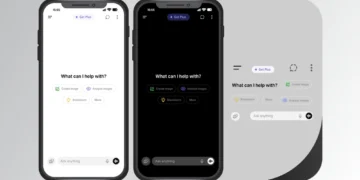
Your customers expect rapid responses from you, even during off-hours. A chatbot assistant embedded within your app could respond to queries related to price, opening hours, availability, and policies.
Contemporary chatbots could even perform some actions, such as making an appointment for your customer or helping with order tracking and returning an item. Your employees would have more time to do other tasks.
Personalized Recommendations
Once, recommendation engines were dependent on large amounts of data. Today, even small retail stores or cafés can recommend products to customers according to previous purchases, browsing activity, and their preferences. In a coffee shop application, recommendations can be made for what a particular customer likes ordering at 8 a.m. in the morning.
Such a feature makes customers feel acknowledged and makes them revisit.
Smarter Scheduling And Fewer No-Shows
It is very costly for service-based organizations to have clients who don’t show up. Artificial Intelligence can help in identifying the clients who will not make an appearance, remind others of their appointment, and even book new clients through a waitlist.
Automated Admin Tasks
AI is especially useful behind the scenes. Small business apps now use AI to:
- Read and sort incoming invoices and receipts
- Summarize customer feedback and reviews
- Draft replies to common emails and messages
- Forecast inventory needs based on past sales
- Flag unusual transactions for review
These features save owners hours every week and reduce costly manual errors.
Image And Voice Features
 Opportunities have been created through camera and voice capabilities. In a clothing app, users will be able to browse through pictures. In a home services application, users can take a picture of the problem and get a quote instantly. The ability to search using your voice increases the usability of the app.
What To Consider Before Adding AI
AI features are most effective in solving a business problem. Think about:
Your aim. Define whether you would like to save the time of employees, boost sales, or improve customer service and choose one or two AI features to achieve it.
Privacy of information. AI features usually deal with user data. Make sure that your app complies with data protection regulations and processes users’ information safely.
Costs of use. Many AI providers charge according to requests made. Ask your developer to give you an estimation of the monthly costs of using an AI feature.
Alternatives for users. Provide an option for users to communicate with a human if needed.
Finding The Right Development Partner
Integrating AI technology into a mobile application requires a combination of skills including app development, backend development, and AI model and API expertise. Small firms often like having a local vendor with knowledge about their local market environment.
In Texas, businesses exploring mobile app development Dallas teams can find developers who build AI chat assistants, booking automation, and recommendation features into custom apps. In the Midwest, Chicago app developers are helping restaurants, clinics, and retailers add AI tools that cut admin work and keep customers coming back.
Whoever you choose, ask to see AI features they’ve already shipped and how those features performed for real users.
Final Thoughts
Nowadays, artificial intelligence is one of the most pragmatic investments that a startup can make into its application. It all starts with choosing a function that addresses a genuine problem and measuring the results. Those startups who implement the use of AI prudently today will be prepared for the future needs of their clients.
About The Author :
Ayesha Zain is a technology and AI-focused content writer who enjoys exploring how new innovations shape our digital world. She researches emerging tech trends, tools, and breakthroughs, translating them into clear, engaging, and actionable content for everyday readers. At TechAiTech, Ayesha covers topics like artificial intelligence, software, gadgets, and future technologies—making complex ideas simple, readable, and meaningful. Her writing helps TechAiTech stay informative, accessible, and trusted.